
Fitting a new boiler: what really happens, start to finish
A plain English guide to choosing, sizing and installing a replacement boiler in a UK home, and what a good installation day should look like.
Heating 8 min read
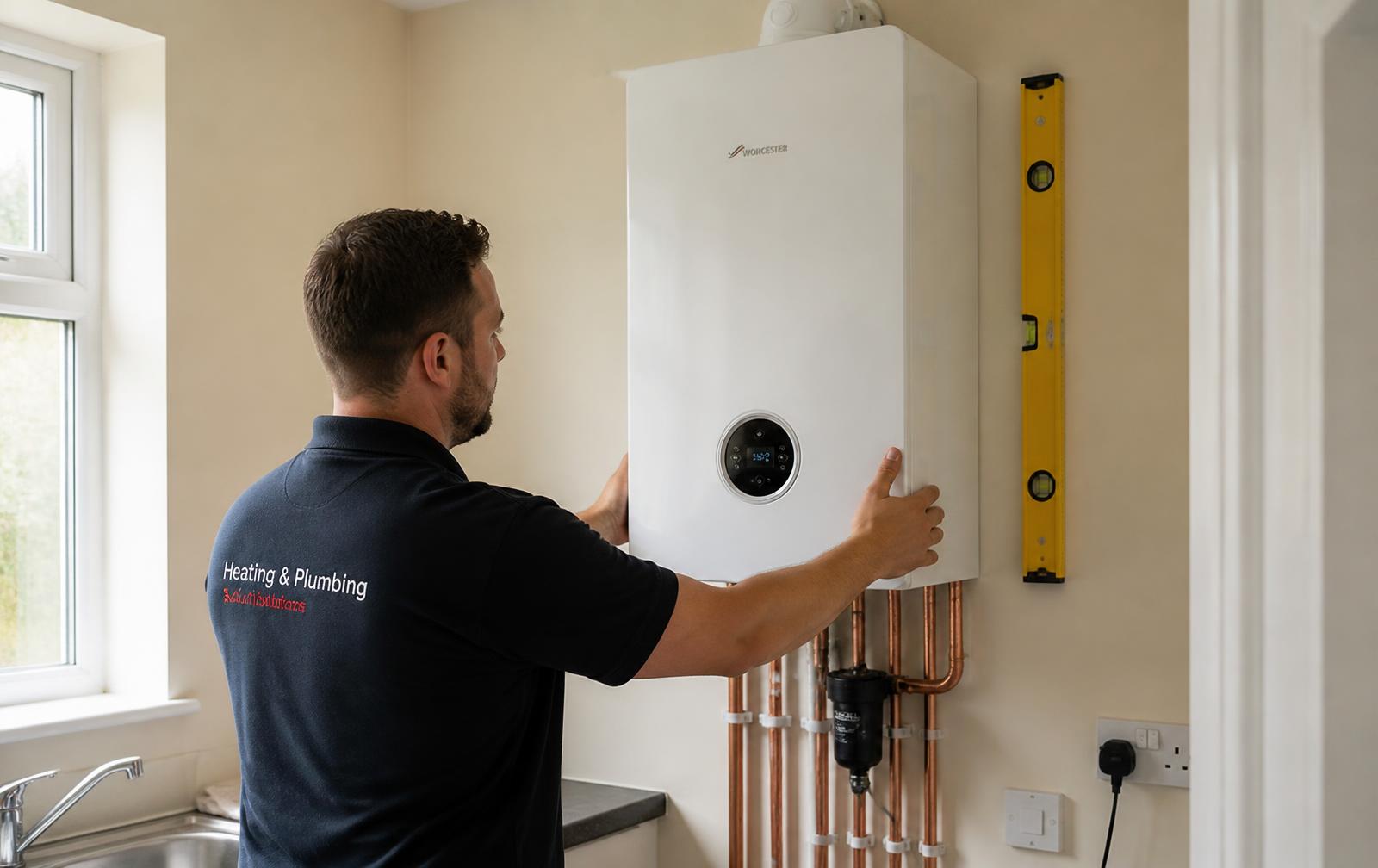
A boiler is the hardest working appliance in most British homes. It runs every morning through the winter, heats your water on demand, and is usually only noticed when it stops. When the time comes to replace one, the difference between a good installation and a rushed one shows up for the next decade in your bills, your radiators and your repair history.
This guide walks through how a replacement boiler is actually chosen, sized and fitted, so you know what to expect and what questions to ask before anyone lifts a spanner.
Signs it is time to replace rather than repair
Not every fault means a new boiler. A failed diverter valve or a tired pump can often be replaced for a fraction of the cost of a full installation. Replacement starts to make sense when the repairs stack up, when parts are no longer easy to source, or when the unit is simply oversized for how the house is used now.
- Repeat breakdowns, particularly in the same winter
- Parts becoming obsolete or hard to obtain for older models
- Radiators taking far longer to warm through than they used to
- Rising gas use with no change in how you heat the house
- Persistent pressure loss pointing to a failing heat exchanger
Choosing the right type of boiler
There are three common types in UK homes, and the right one depends on your water demand, the space you have and how the existing system is laid out.
A combi boiler heats water on demand and needs no cylinder, which suits flats and smaller homes with one bathroom. A system boiler works with a hot water cylinder and copes far better with two or more bathrooms used at the same time. A regular, or heat only, boiler keeps both a cylinder and a feed tank in the loft, and is usually retained where the existing pipework or water pressure makes a change impractical.
Swapping type is possible but it is not a like for like job. Moving from a regular boiler to a combi means removing the cylinder and tanks, reworking pipework and checking that the incoming mains flow rate can genuinely deliver the shower you expect.
Sizing: the step most often rushed
Fitting a boiler that is too powerful is one of the most common mistakes in the trade. An oversized boiler short cycles, firing up and shutting down repeatedly, which wastes gas and wears the components out faster. Bigger is not better.
Proper sizing means a heat loss calculation: room dimensions, insulation, glazing, and how many hot water outlets could realistically run at once. Combi output is also about flow rate, so the mains supply should be measured rather than assumed. Ask for the figures behind the recommendation, not just a model name.
What a full installation day involves
A straight swap in the same position is often a single day. Moving the boiler to a different room, or changing system type, usually runs to two or three.
- Isolating the gas and water, then draining the existing system down
- Removing the old boiler and any redundant tanks or cylinder
- Checking the gas supply pipe is sized correctly for the new appliance
- Fitting new pipework, the flue and its correct clearances, and the condensate run
- Power flushing or chemically cleansing the system to clear old sludge
- Installing a magnetic system filter and dosing with inhibitor
- Fitting and configuring the controls, then balancing the radiators
- Commissioning, gas rate and flue gas analysis, and registering the installation
The details that protect your investment
Most premature boiler failures are not caused by the boiler. They are caused by debris and corrosion circulating from old radiators and pipework. Cleansing the system, fitting a magnetic filter and adding inhibitor are not optional extras, and most manufacturers require them for the warranty to stand.
Controls matter too. A modulating or load compensating control lets the boiler run at lower flow temperatures for longer, which is exactly how a condensing boiler is designed to work. Thermostatic radiator valves in rooms that are not always in use will cut waste further.
Safety, certification and paperwork
Gas work must only be carried out by a suitably registered engineer, and you should always be able to check the registration before work begins. On completion you should receive the commissioning record, the Building Regulations compliance notification, the manufacturer warranty registration and the user manual.
Keep that paperwork somewhere safe. It is what a future buyer's surveyor will ask for, and what the manufacturer will ask for if you ever need to claim.
Aftercare and annual servicing
An annual service keeps the warranty valid and catches small faults before they become winter breakdowns. Between services, top the pressure back up when it drops below the manufacturer's recommended range, bleed radiators that feel cold at the top, and get any persistent pressure loss looked at rather than repeatedly refilling, because a system that keeps losing water is drawing fresh oxygen in and corroding from the inside.
Thinking about this work in your own home?
Tell us about your property and we will talk you through the options honestly, with no pressure.